
The Weaknesses of TikTok Marketing

Are you considering TikTok as a platform for your marketing strategy? While it may be tempting to jump on the bandwagon of this popular social media app, it’s important to acknowledge its weaknesses. In this blog post, we’ll explore some downsides and limitations of using TikTok for marketing. From algorithm challenges to brand safety concerns, let’s dive into the potential pitfalls of TikTok marketing and how you can navigate them.
Limited Targeting and Analytics Options
 One of the weaknesses of TikTok marketing is the limited targeting and analytics options compared to more established platforms like Facebook or Instagram. TikTok’s targeting capabilities are not as robust, making it challenging to reach specific demographics or target audiences precisely.
Additionally, the platform’s analytics tools are still evolving and may not provide the depth of insights marketers are accustomed to. This limitation requires marketers to use creative content and broader targeting strategies to engage their desired audience. Even though some marketers choose to buy followers, TikTok’s lack of analytics data may make it difficult to assess the success of such methods; visit charlottestories.com for more details.
Short Attention Spans and Content Overload
TikTok’s fast-paced nature and short video format contribute to shorter attention spans among users. With an endless stream of content available, it’s easy for your brand’s message to get lost in the noise. It can be challenging to capture and maintain users’ attention within the limited time frame of a TikTok video. Marketers must create compelling and concise content that grabs attention from the start and delivers the desired message effectively.
Algorithmic Challenges
TikTok’s algorithm plays a significant role in content discovery and reach. However, the exact workings of the algorithm are not fully transparent, making it difficult for marketers to optimize their content strategy. While TikTok’s algorithm does promote content based on engagement, it can be unpredictable and challenging to crack. This lack of control over content distribution can be a weakness, especially for brands looking for predictable and measurable outcomes.
Brand Safety Concerns
Another weakness of TikTok marketing is the concern over brand safety. As a user-generated content platform, TikTok may have limited control over the content that appears on users’ feeds. This lack of control raises the risk of your brand being associated with content that may not align with your values or guidelines. Marketers must carefully monitor and vet potential collaborations, hashtags, and user-generated content to maintain their brand’s reputation and integrity.
Limited Linking Opportunities
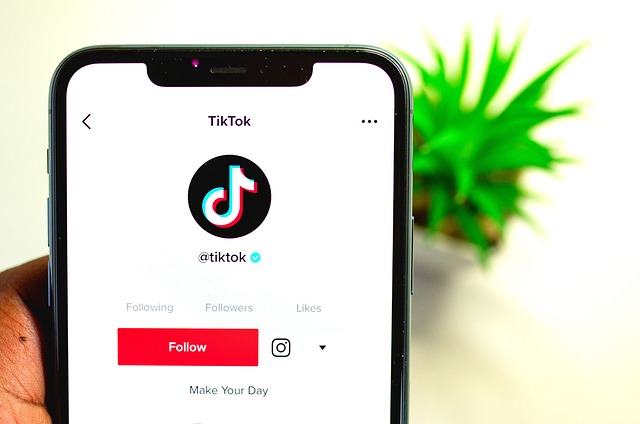
TikTok’s platform design limits the opportunities for direct linking to external websites or landing pages. Unlike other platforms where you can include clickable links in captions or bio sections, TikTok restricts clickable links to verified accounts or paid advertising campaigns. This limitation makes driving traffic directly to your website or specific product pages challenging. Marketers must find alternative ways to drive conversions, such as leveraging influencer partnerships, creative call-to-action prompts within videos, or optimizing the link in their TikTok profile.
Platform Volatility and Uncertainty
TikTok’s future is not without uncertainties. Regulatory issues, privacy concerns, and competitive landscape changes may impact the platform’s viability and longevity. This volatility poses a potential risk for brands heavily invested in TikTok marketing. Marketers should stay informed about the latest developments and diversify their social media presence to mitigate potential adverse effects.
While TikTok marketing offers tremendous opportunities for brands to engage with a vast audience, it’s also essential to recognize its weaknesses. Limited targeting and analytics options, short attention spans, algorithmic challenges, brand safety concerns, limited linking opportunities, and platform volatility are aspects that marketers should consider when developing their TikTok strategies. By being aware of these weaknesses, brands can adapt and optimize their approach to maximize the benefits of TikTok marketing.…


 The fourth situation when buying TikTok followers makes sense when looking to enhance social proof. Social proof refers to the psychological phenomenon where people conform to the actions of others in an attempt to reflect the “correct” behavior for a given situation. A larger following can serve as social proof and encourage others to follow your account or purchase your products or services. However, ensuring that your followers are genuine and engage with your content is essential to maintain your brand’s reputation.